Mothers without Borders
Access to education and mentoring for vulnerable GIRLS in Zambia
In Zambia, despite progress, girls continue to face barriers to accessing and completing secondary school: in 2024, only 55% completed lower secondary and 31% completed upper secondary education. Girls living in rural and low-income communities are especially vulnerable to dropping out as they experience intersecting obstacles, such as food insecurity, poverty, early pregnancies, and child marriage, which affects 3 in 10 girls. In fact, girls from the lowest-income families are 5 times more likely to be married in childhood than the those from the wealthiest, and girls with no or only primary education are over 3 times more likely than more highly educated girls to be married before they turn 18.
Together with Mothers Without Borders, we launched the Be That Girl program for girls, a community-based initiative that currently offers economic support, education, and mentorship to 540 vulnerable girls and young women between the ages of 12 and 30. Secondary school girls receive uniforms, learning materials, bicycles and mentorship while tertiary scholars get full tuition, access to a mentor as well as material support such as housing and laptops.
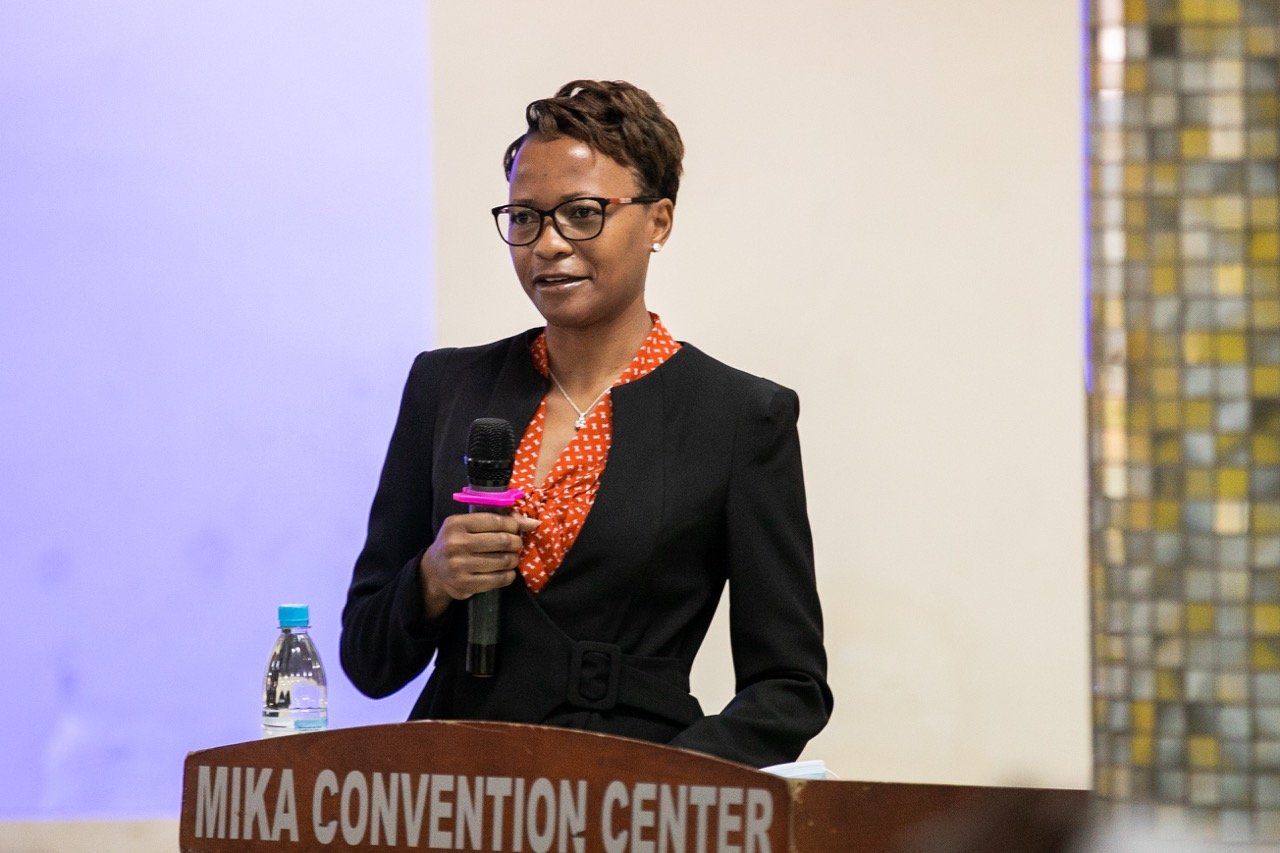
In addition, Mothers Without Borders organizes a yearly Be That Girl conference bringing together the girls and their mentors around role models and inspirational speakers, to strengthen the bond between the girls and provide a platform to exchange experiences.
The program has seen great success, with the girls and their mentors expressing excitement for the community, empowerment, and opportunities that it has brought to their lives. Many of the girls have demonstrated increased levels of confidence in themselves and in their potential to pursue their dreams.
Key numbers
REACH
In 2025, 540 girls and young women aged 12-30 were enrolled in the Be That Girl program.
In 2025, over 3,741 mentorship sessions were conducted.
IMPACT
As of 2025, 272 girls have successfully completed their secondary education through the program since its inception in 2021.
As of 2025, 89 girls have successfully completed their tertiary education.
In 2025, 98% of young women reported improved wellbeing after completing the program, with 93% feeling hopeful about their futures.
77% of girls and young women mentees are aware of Sexual and Reproductive Health Services and how to access them.
85% of young women report sharing their learnings from the program with others in their community.