
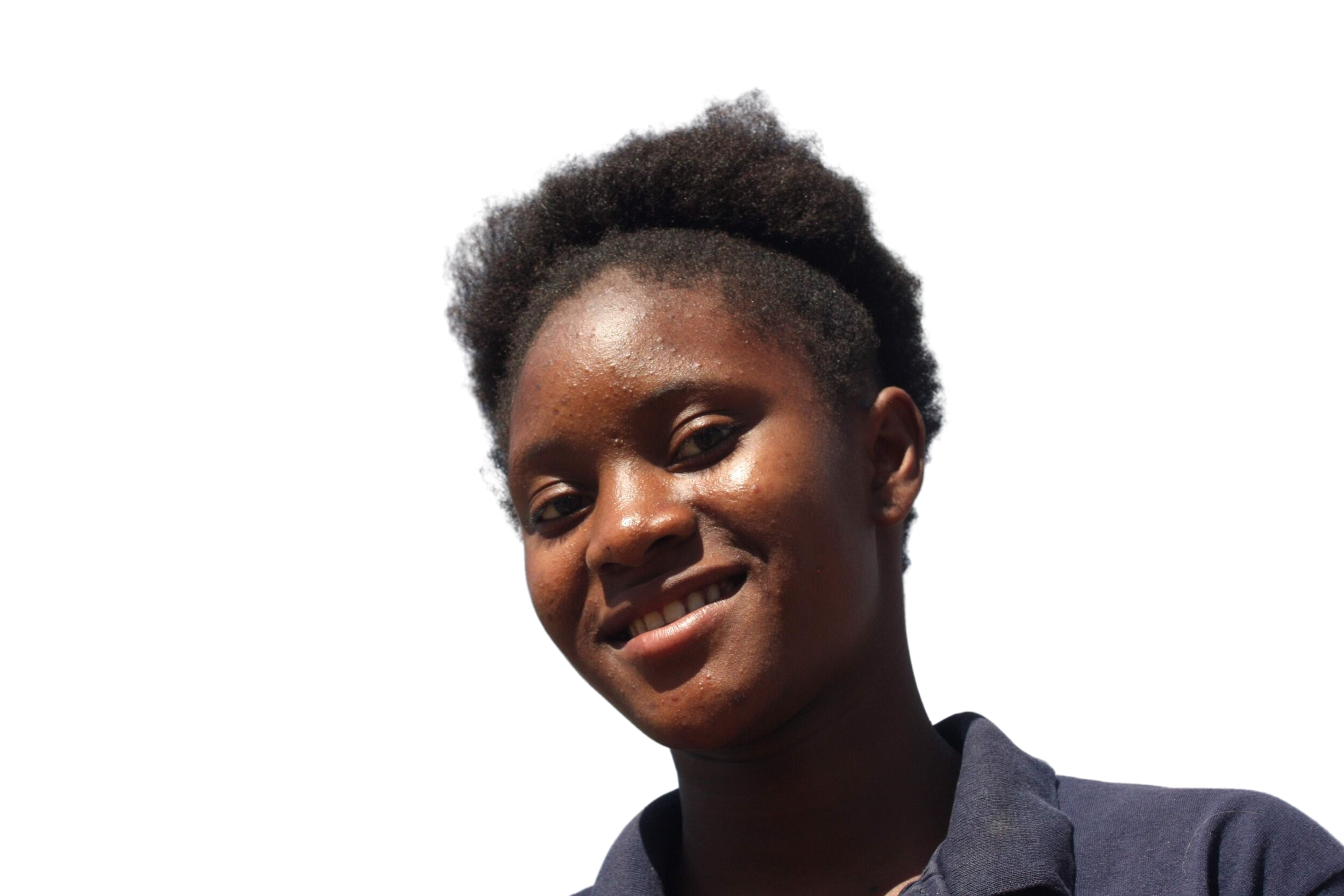
Empowering
women to lead self-determined lives
WHAT WE DO
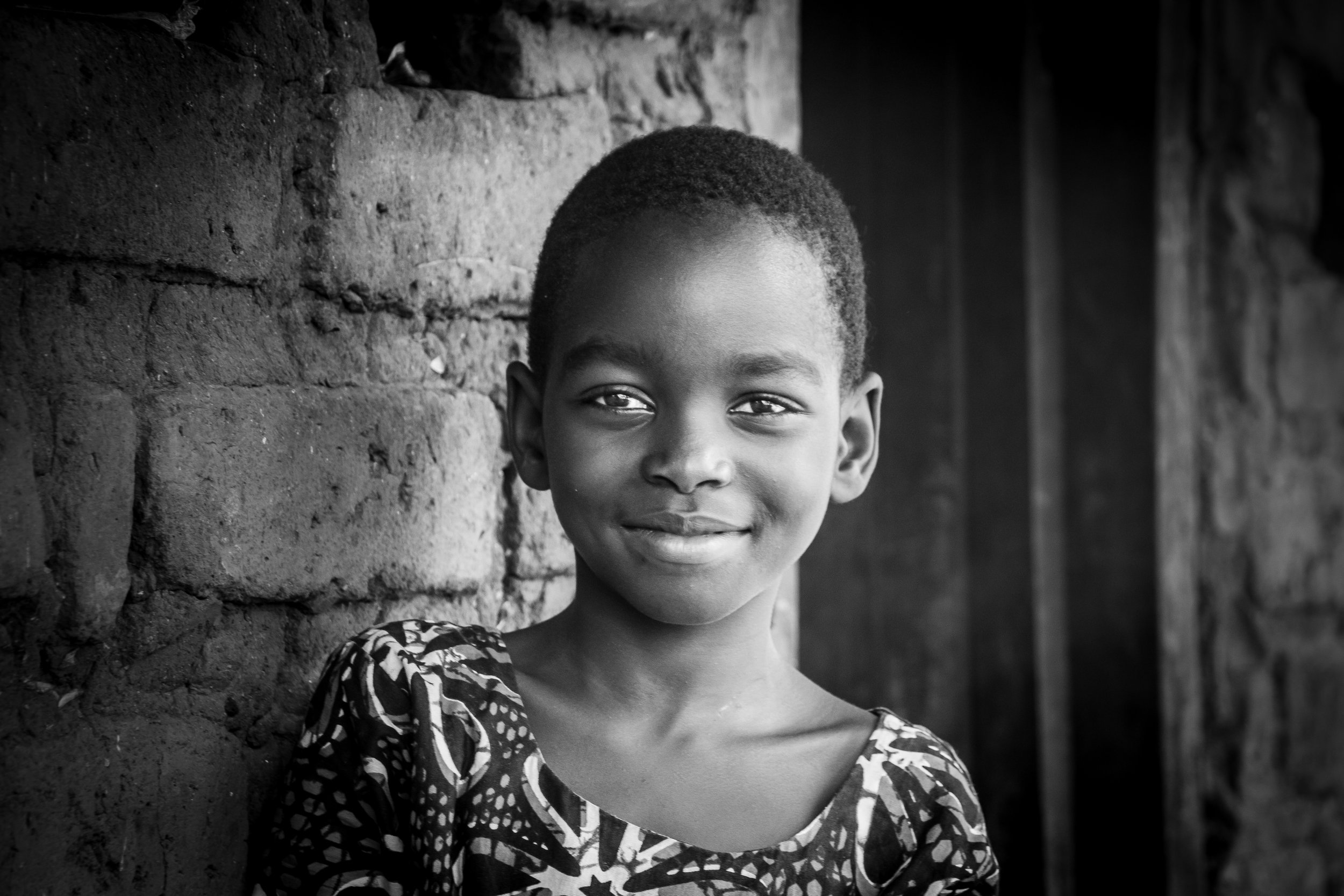
BTG is a foundation dedicated to supporting adolescent girls and young women in their journey to self-determination through both local partnerships and its own initiatives. We collaborate closely with local organizations, adapting to their realities while encouraging innovation and filling gaps where needed.
We provide holistic support to girls and young women from secondary education to post-secondary pathways, through a combination of scholarships, mentoring, skills training, and community-based support systems.
We empower partner NGOs with resources and training in areas such as mentoring, budgeting, and MEL, while also influencing the wider impact ecosystem through evidence-based knowledge and advocacy, increasing support for girls’ and women’s self-determination and fostering impactful alliances.
Our 3 strategic priorities 2026-2030:
Provide holistic support through adolescence
Helping girls complete quality secondary education, backed by mentoring, life and future skills, and wrap-around support for their health and protection — while strengthening the community and partnerships around them.
Help young women identify and realize post-secondary pathways
Supporting young women into higher education, employment, or entrepreneurship, backed by scholarships, future-ready skills and continued wrap-around support, all while fostering a strong network of alumnae who give back to the next generation.
Build knowledge and influence
Sharing what we learn about what works with practitioners and fellow funders, using evidence and storytelling to elevate local leaders and catalyse investment in girls' self-determination.
Our impact
171,000+
lives transformed (direct and indirect beneficiaries in 2025 alone).
tertiary scholars - young women supported in vocational education, diploma & university programs (2022-25).
330
NGO partners in 2026.
8
42
Trailblazers scholars – Young women successfully pursuing higher education at university level (2025).
7
countries reached (Afghanistan, India, Kenya, Malawi, Mozambique, Rwanda and Zambia).
2,786
active mentors supported by BTG to provide invaluable life skills and guidance sessions (2025).
secondary school scholars – adolescent girls supported to complete secondary education (2022-25).
272
children supported to receive quality childcare through Mobile Creches in India (2025), supporting thousands of working mothers.
63,000
youths in Afghanistan supported with foundational education and essential learning support through Skateistan (2025)
1,290
youths in Cambodia, South Africa and Jordan supported to take part in sport, life skills and social support programs through Skateistan (2021-2023).
7,405
Annual Reports

Download our annual reports here to learn more about BTG’s partnerships, impact, successes and challenges.
Our Participants

We aim to reach disadvantaged girls and young women in low-income countries
Adolescent girls and young women navigating the transition to womanhood are especially vulnerable to harmful practices such as early marriage, gender-based violence, and early pregnancy. They are often on the cusp of making life-altering decisions, such as whether to drop out of school or pursue higher education and employment outside the home. At the same time, they have high potential to learn.
We focus on adolescent girls and young women in low-income countries, particularly those from disadvantaged backgrounds - whether due to poverty, living in a rural area, or cultural norms that penalize women.
Through education, mentorship, life skills, and support to access dignified employment, we help them reach their full potential and become changemakers in their communities.
OUR vision for a self-determined life
-
Through scholarships and mentoring, we help young women and girls stay in secondary school, graduate, and pursue post-secondary education.
-
We offer training in leadership, financial literacy, career readiness, and essential life skills to enhance girls’ work-readiness and self-determination.
-
Young women will have stable income through opportunities that build independence and pathways to employment and entrepreneurship.
-
By equipping them with education and skills, we enable young women to uplift their families and become changemakers in their communities.
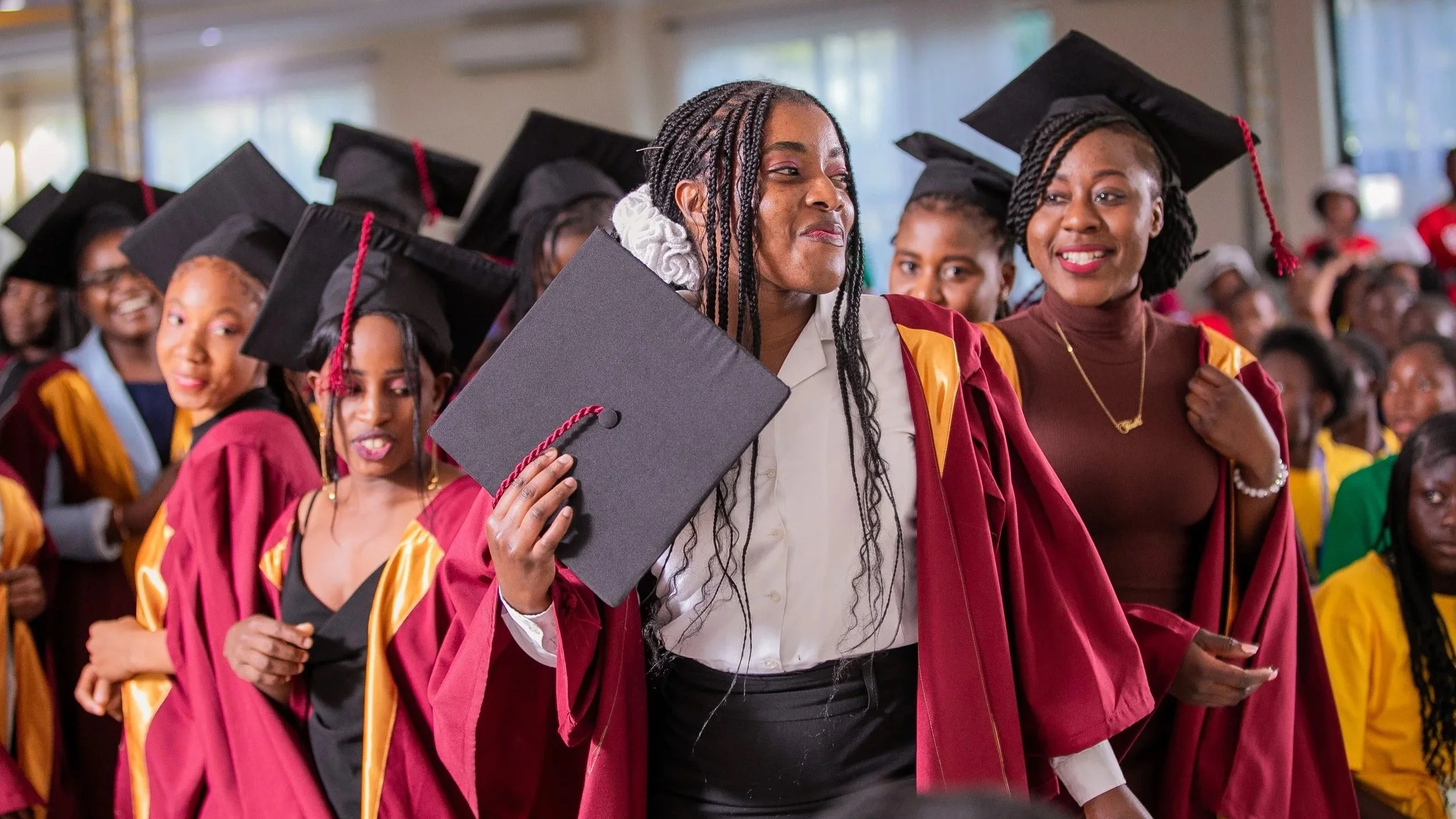
By 2030, Be That Girl will have helped thousands of girls and young women to:
-
Alumni pursue diverse careers and leadership roles across society.
-
Young women lead by example and inspire others through their journeys.
-
By breaking barriers, they challenge stereotypes and shift perceptions about women’s roles to create more equitable societies.
-
Alumni support the next generation through mentoring and role modeling, driving local change and tackling community challenges.
-
As leaders and role models, our alumni inspire change within their families and communities, creating great ripple effects.
Be That Girl alumni will be:
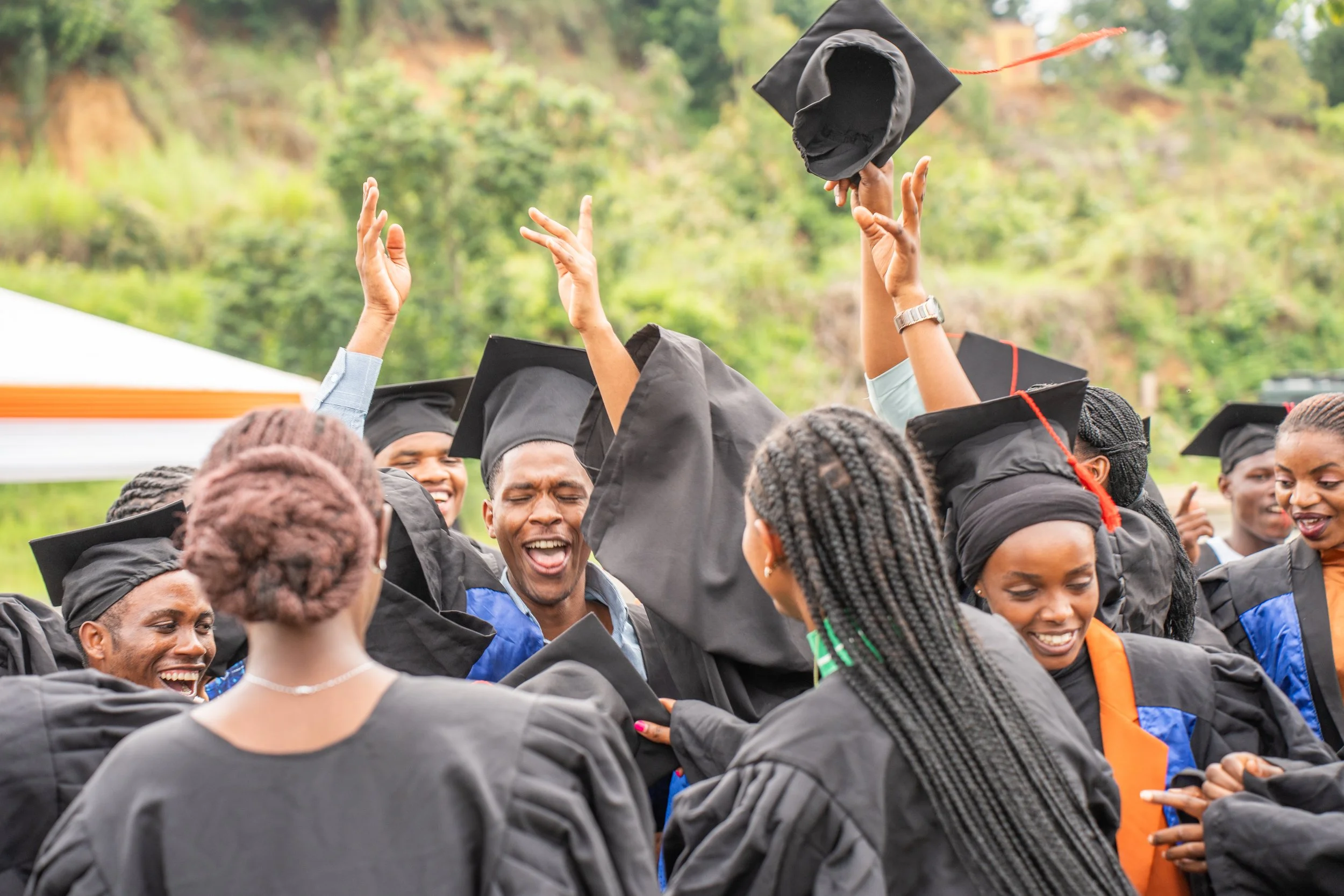
WHAT IS SELF-DETERMINATION?
Self-determination is the power to shape one’s own life through personal choices and individual goals. It is our core focus and we are committed to helping each girl achieve her own vision thereof. We do this by providing flexible, adaptable, holistic support throughout a girl's entire journey, rather than funding just one part of it.
Our exit strategy focuses on the success of each girl.
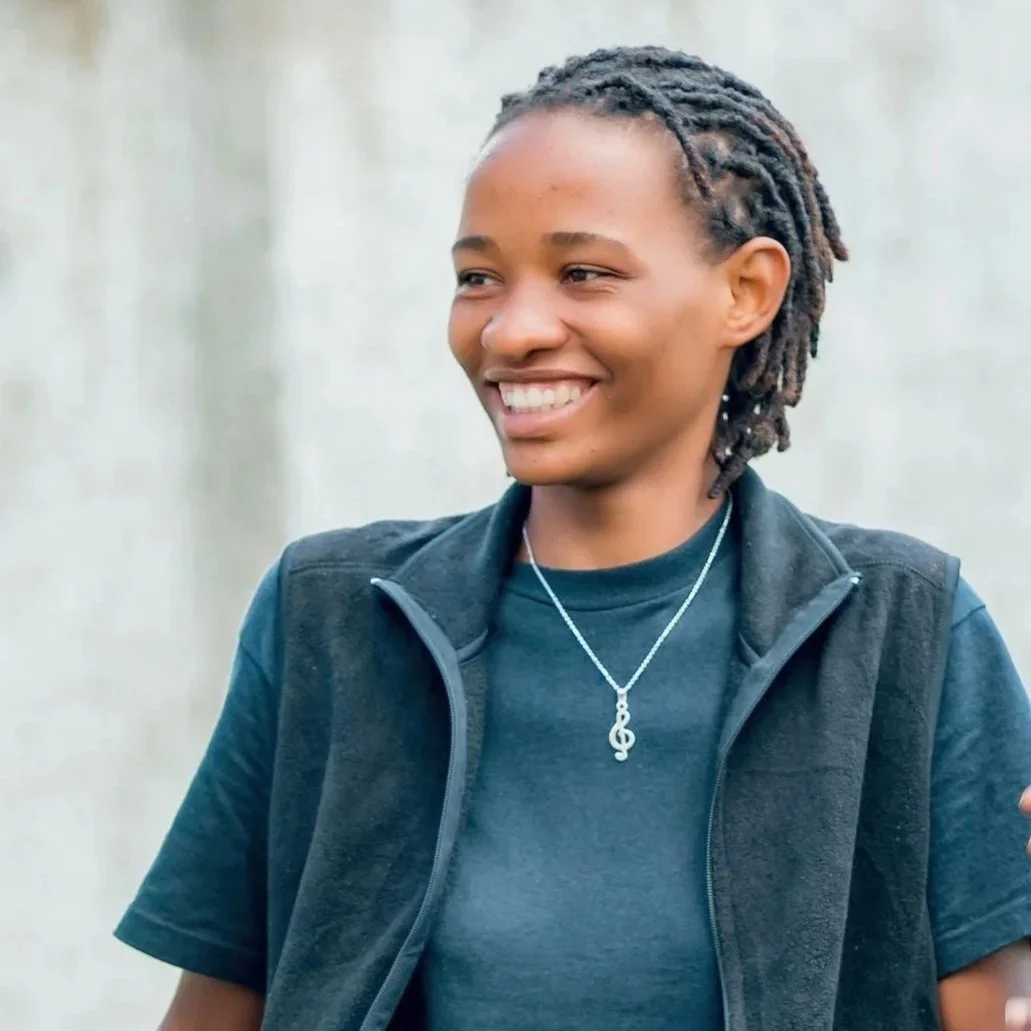
I can complete my education
Read moreI can achieve economic independence
Read moreI dream beyond traditional roles for women and can fully participate in all areas of society
Read moreI choose who and when to marry
Read moreI have access to the productive and financial assets I need for a dignified life
Read moreI choose how many children to have and when
Read moreI am safe from gender-based violence
Read moreI share unpaid care work equally with my partner and family
Read more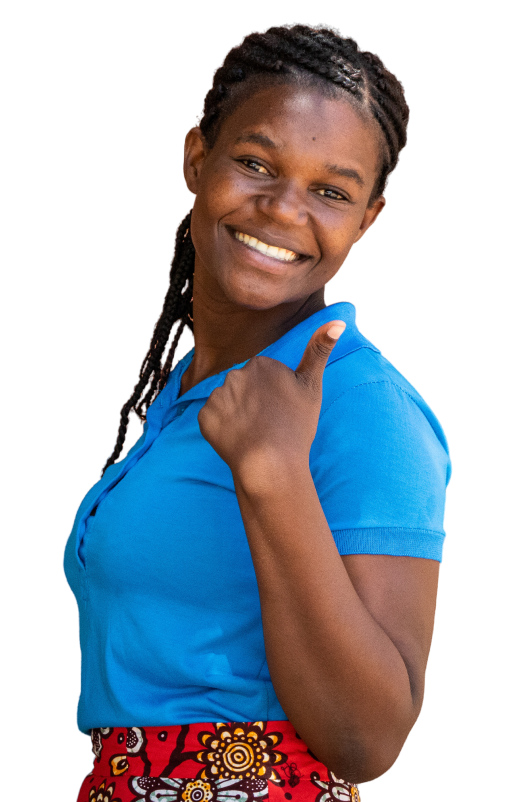
CORE BTG VALUES
-
We strive for our work to be led and inspired by the experience of local leaders and communities, and of the girls we serve.
-
We aim to always be responsive to participants and place their needs and agency at the center of everything we do.
-
We promote comprehensive approaches that address multi-faceted challenges.
-
We help each girl achieve her own vision of self-determination.
-
We are committed to continuous learning and improving impact by investing in MEL and leveraging findings to adjust programs.
-
We are willing to take risks to foster innovation and committed to filling gaps in the ecosystem not just as grant-makers but also by implementing BTG’s own initiatives.
-
We strive to create meaningful connections among participants and alumni that can lead to life-long peer-and inter-generational support.
-
We are committed to helping each girl achieve her vision for a self-determined life, supporting her long-term through different stages as needed, rather than reaching as many beneficiaries as possible.
Our safeguarding policy
Be That Girl Foundation (BTG) believes everyone — regardless of age, gender identity, disability, sexual orientation, or ethnic origin — has the right to be protected from all forms of harm, abuse, neglect, or exploitation.
Accordingly, we have developed a safeguarding policy which is attuned to the particular vulnerabilities arising from our participants’ circumstances and aligned with our mission and values.
Our Inspiration
It all started with a personal story
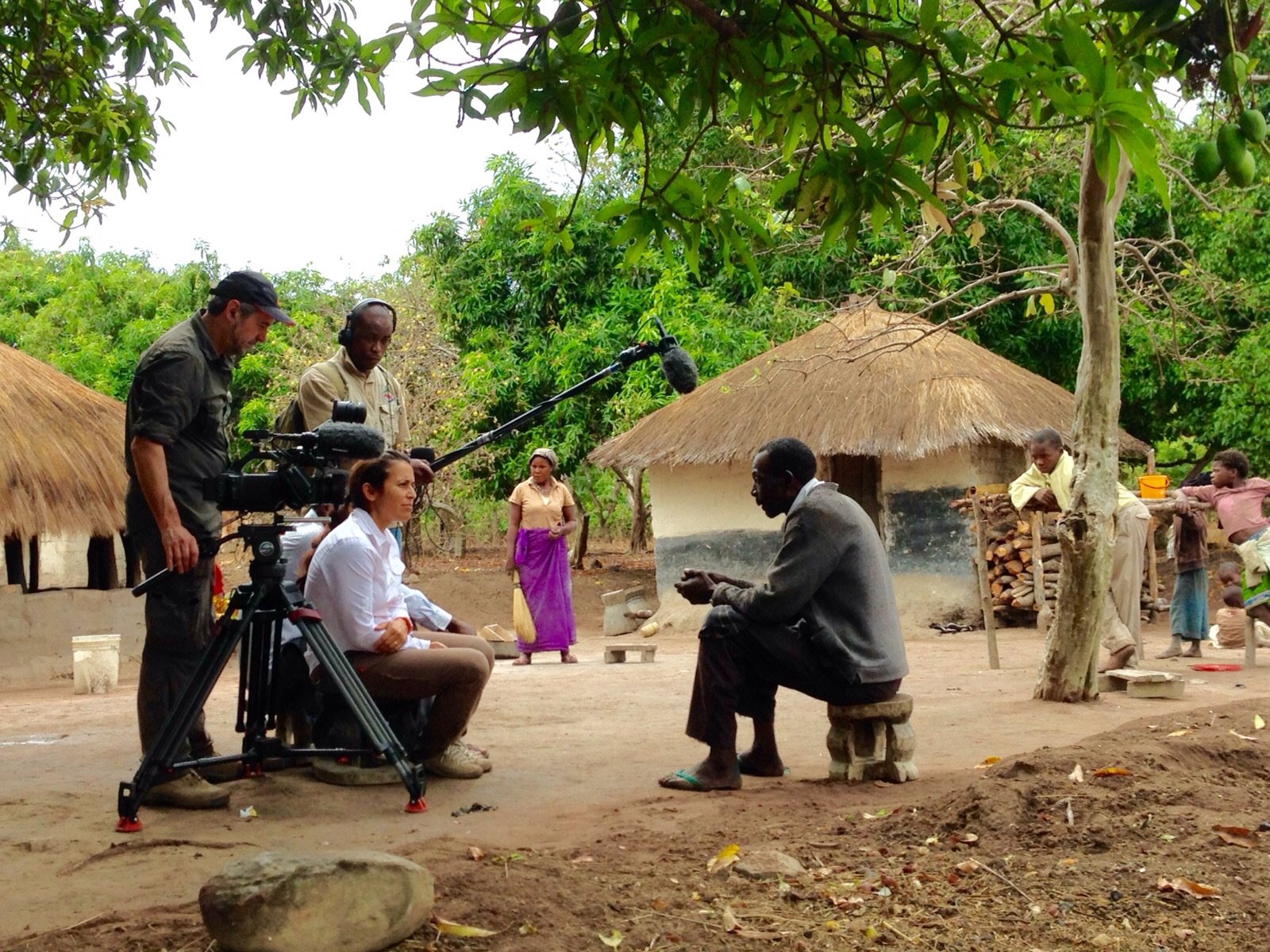
Be That Girl Foundation was born out of Cornelia Gantner’s documentary feature That Girl. The film tells the story of Gladys, a young woman from Zambia, and her Swiss husband Thomas, as they set out to build a farm and a secondary school in a rural community in Zambia. The school will give girls in particular the chance to continue their education and dream of a better future.
Filmed over a period of five years, the documentary follows the work of the young couple as their dreams clash against the real difficulties of driving change on the ground.
Encouraged by the enthusiastic response to her documentary, Cornelia decided not to leave the subject only to the big screen, but founded BTG to provide girls and women with concrete support to achieve self-determined lives.

Hear from our founder Cornelia Gantner how BTG started and her vision for the future of the foundation:
Our resources
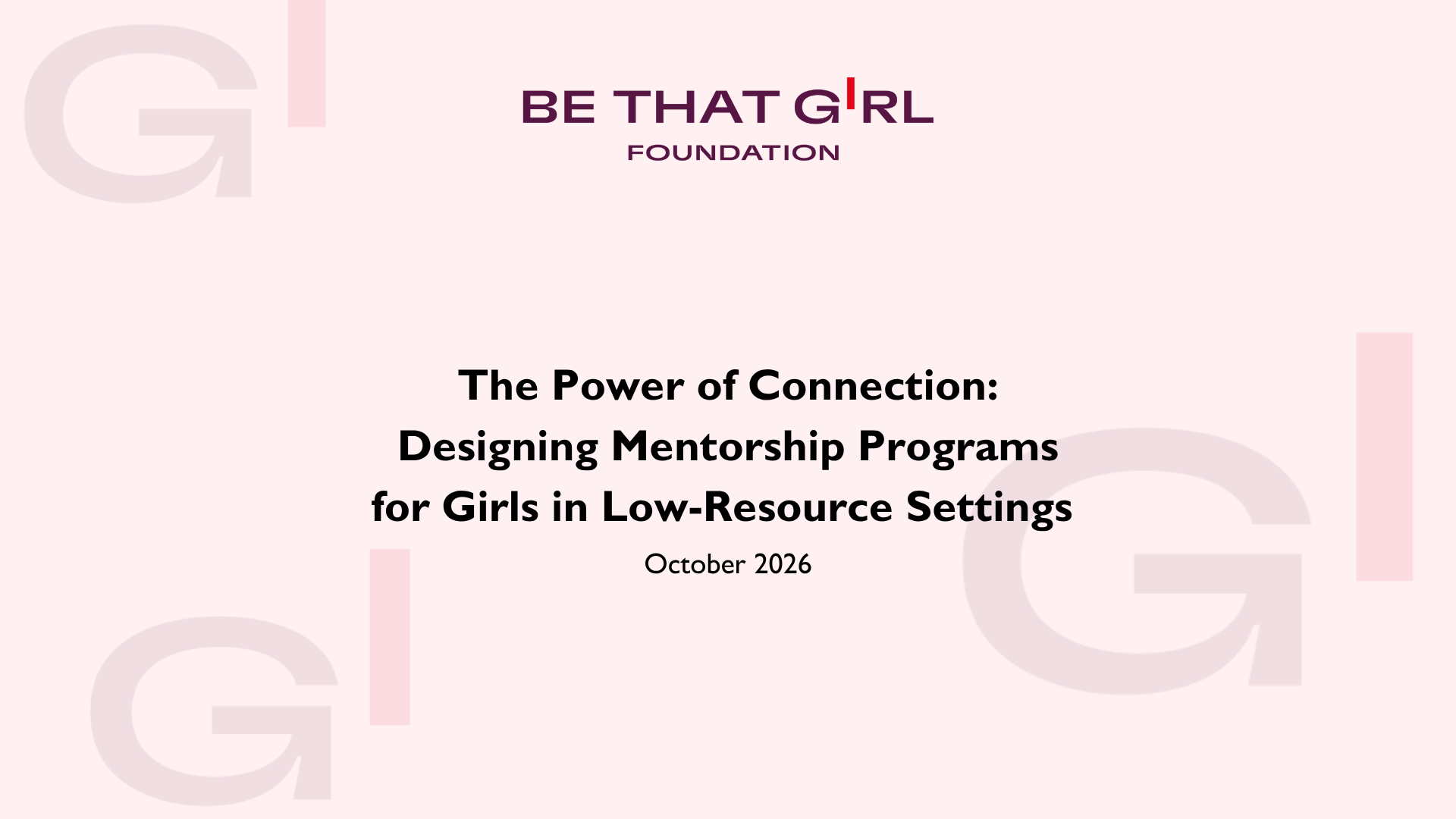
This publication is a resource on how to design and implement impactful mentoring programs for adolescent girls and young women.
Packed with practical examples and lessons-learnt from the NGOs that BTG partners with, the publication sets out seven pillars to build mentoring programs that help girls and young women build confidence and agency, overcome obstacles and work towards their goals.
Our TeaM
-
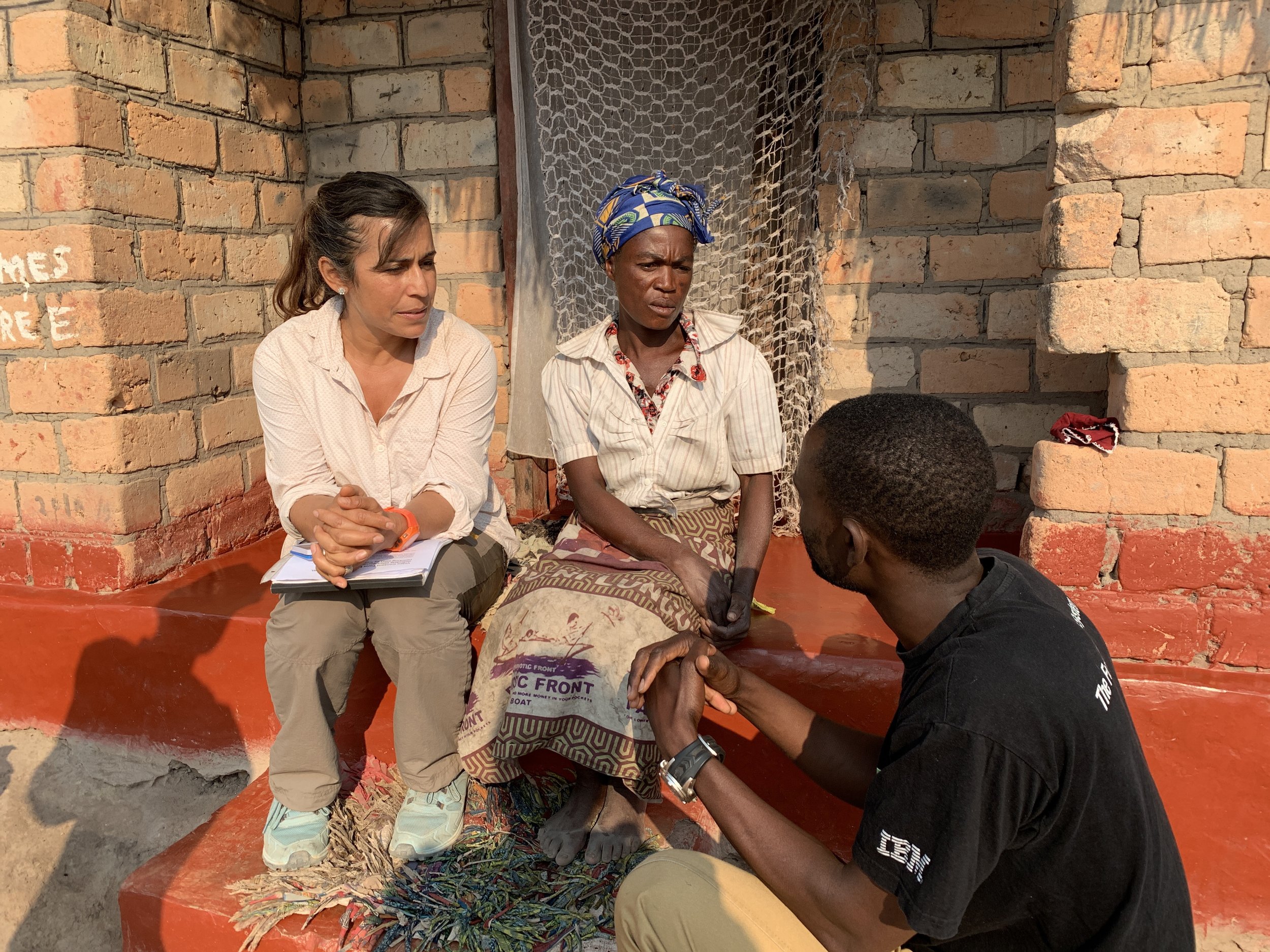
Cornelia Gantner
FOUNDER
From the movie “That Girl” to Be That Girl Foundation, Cornelia is creating a global movement to advance women self-determination.
-

Sarah Furrer
BOARD MEMBER
Sarah is a senior social development and gender equality specialist with over two decades of experience in Africa, the Middle East and Asia.
Read an interview with Sarah here.
-

Saraja Gantner
BOARD MEMBER
An architect by trade and currently doing her MSc in City Design and Social Sciences at LSE in London, Saraja is passionate about advancing women empowerment for the next generation.
Read an interview with Saraja here.
-

Ottavia Pesce
CEO
Ottavia leads the Foundation’s strategy and operations, ensuring BTG achieves its vision of helping women live self-determine lives in the most impactful and efficient way possible.
She is passionate about contributing to a more equitable world and helping women realise their full potential.
Before this role, she worked as economist for the United Nations in Africa and the Middle East.
-
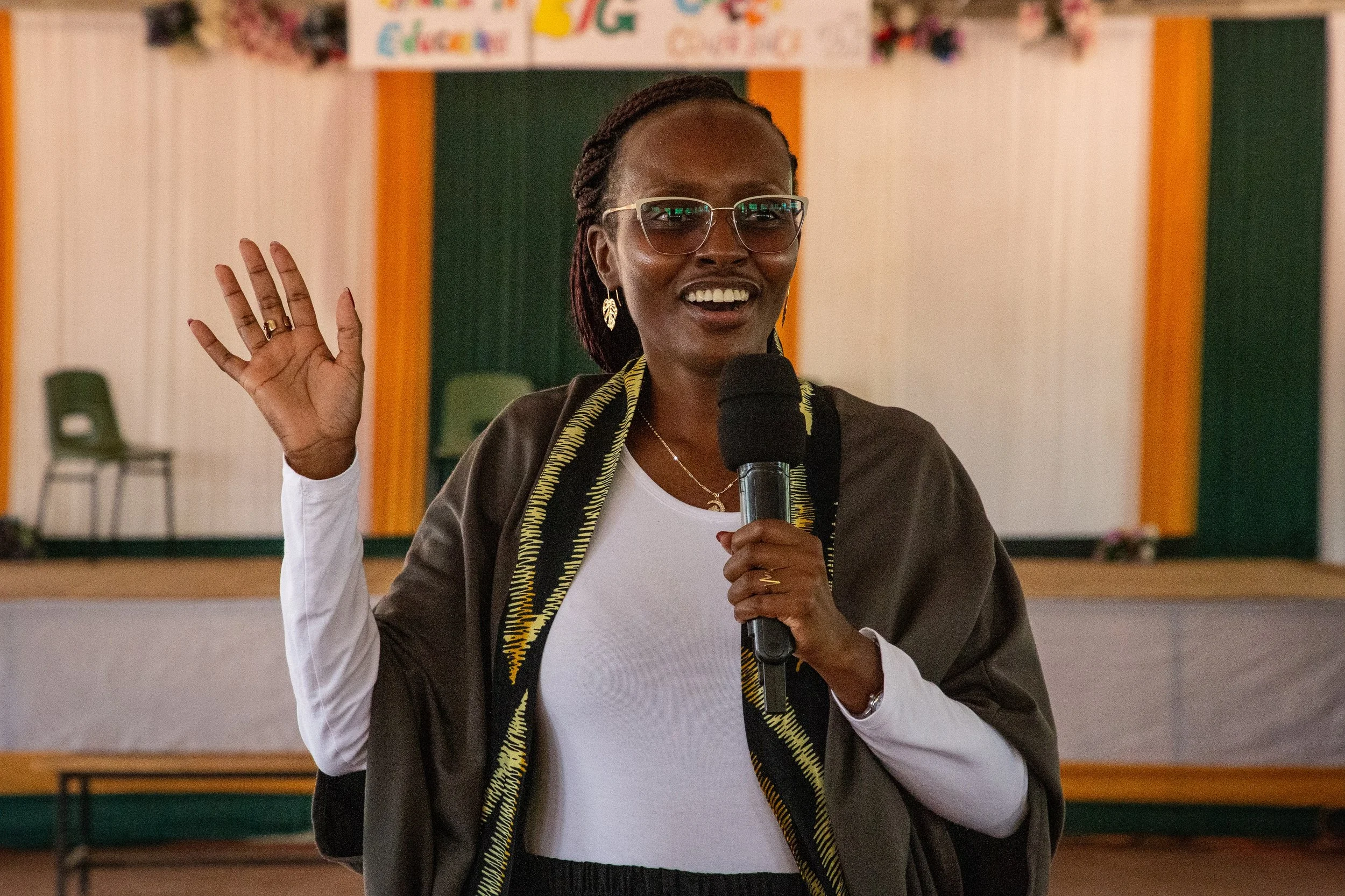
Trizah Gakwa
PORTFOLIO MANAGER
Trizah is a Gender Specialist with years of experience in girl-centered programming, non-profit leadership and strategic partnership building. Before joining BTG, she held different roles at Freely in Hope for six years with her last position as Africa Regional Director. She envisions a world in which the hopes, dreams, and voices of women and girls drive the solutions to the challenges they face.
Read an interview with Trizah here.
-
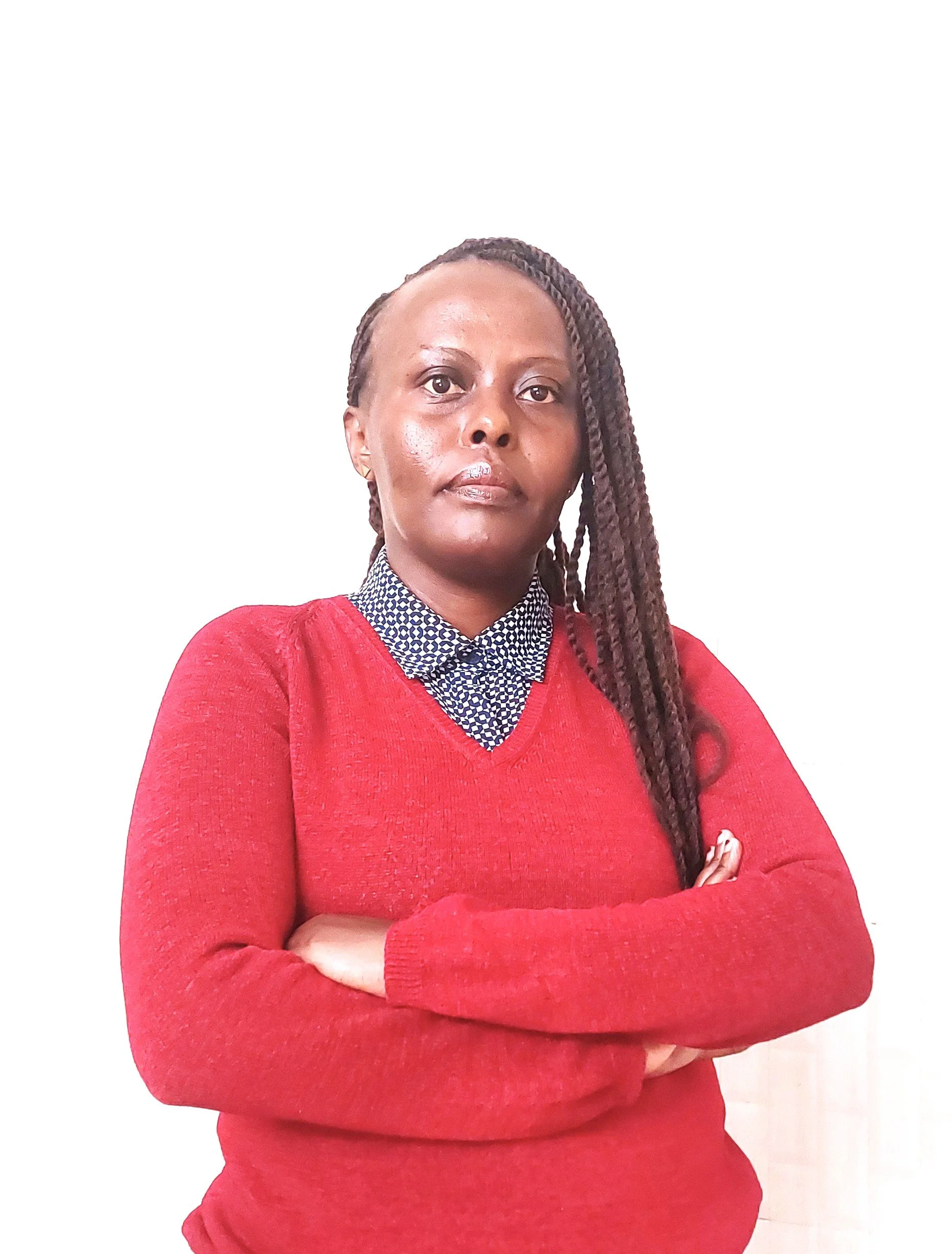
ESTHER WAMBUI
MEL SPECIALIST
Esther is a Monitoring, Evaluation, and Learning (MEL) Expert focused on research, data analytics, sustainable development, and program impact strategy. Before joining BTG, she supported USAID-funded programs, where she drove evidence-based decision-making to enhance results and learning across development initiatives.
Read an interview with Esther here.
-
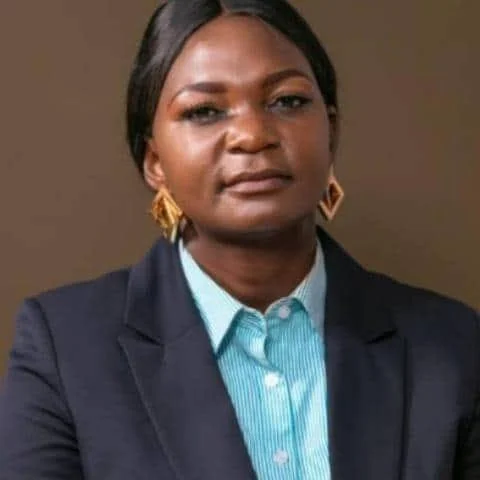
Faith Simukoko Minja
MANAGER
Lusaka Pathway Centre
Faith is a specialist in gender and education with years of experience in designing programs and advocating for gender equality and access to education for women and girls. Before joining BTG, she led Oxfam's Gender Justice and Education Portfolio in Zambia. Faith envisions a world where women and girls have equal opportunities.
Read an interview with Faith here.
-
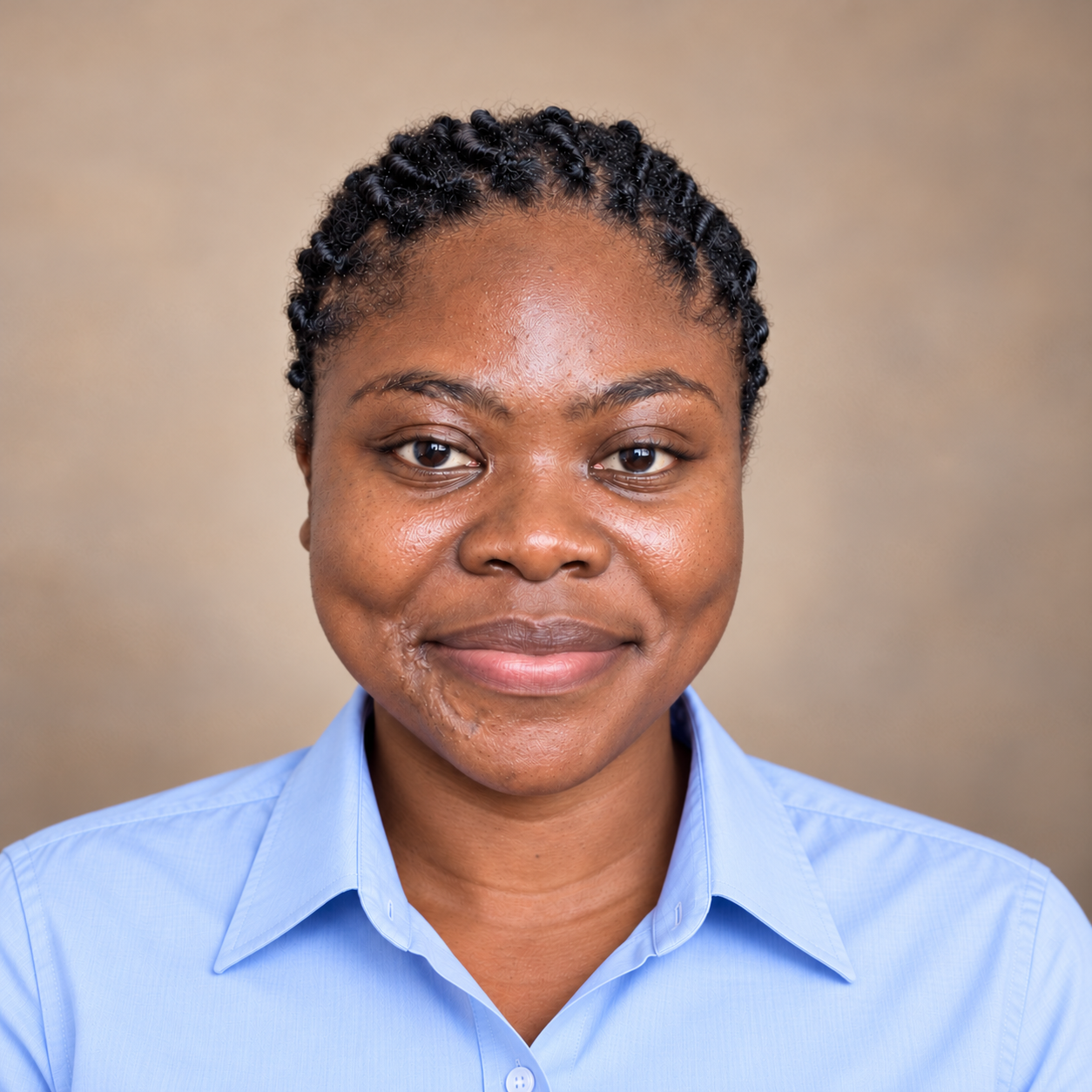
Purity Chintu Kalenge
SENIOR COACH
Lusaka Pathway Centre
Purity is a youth development practitioner with over six years of experience in career guidance, student support, safeguarding and gender work. Before joining BTG, she supported youth employability at Skills2Live Zambia and led gender and student support programmes at Chipembele Wildlife Education Trust. Purity is committed to ensuring girls facing barriers receive the support they need to shape their own futures.
-
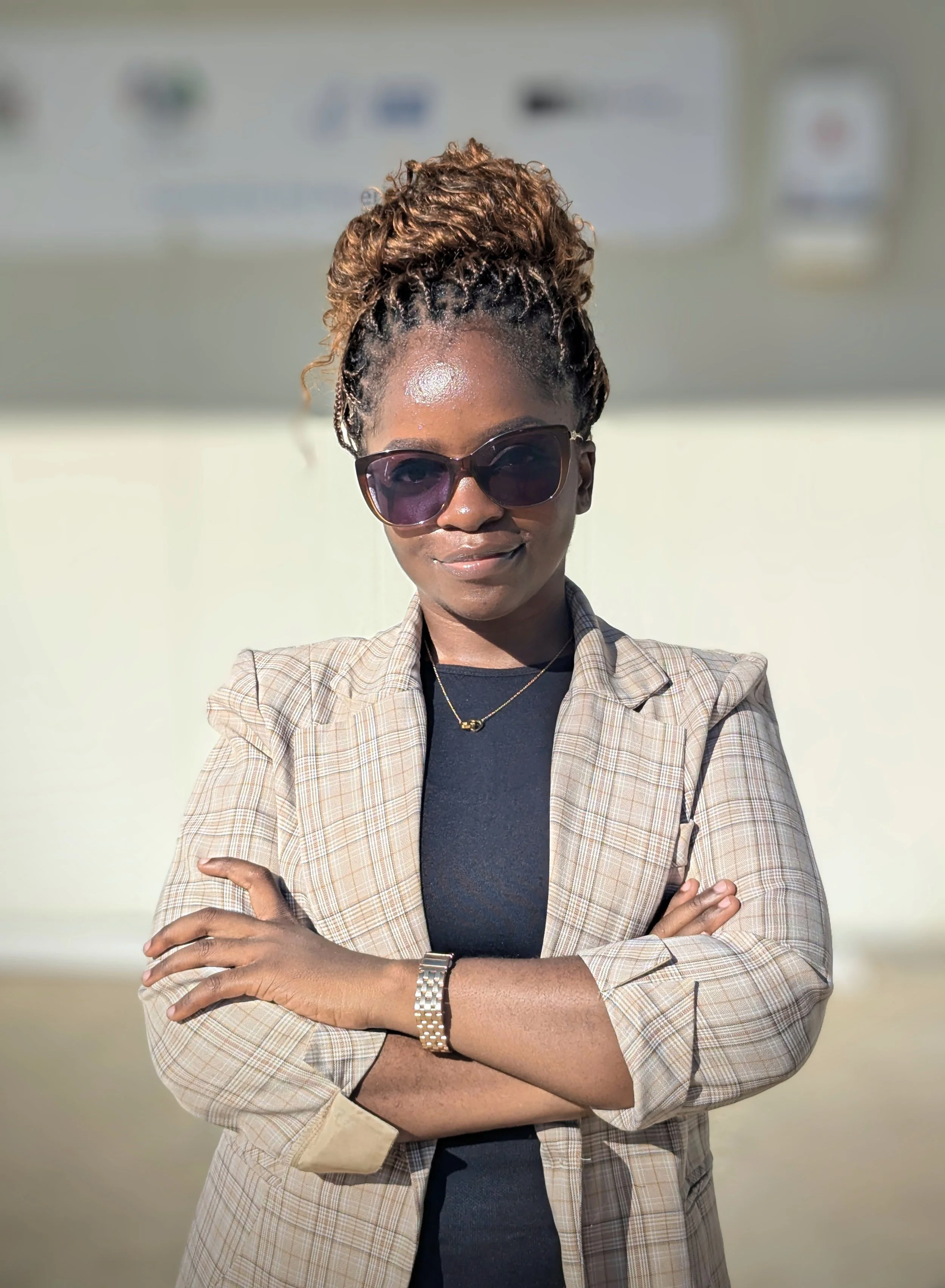
Angela Chongo Bwalya
CAREER & INTERNSHIP COACH
Lusaka Pathway Centre
Angela is a passionate advocate for young women, with years of experience in youth development and peer mentoring in Zambia. Previously as DREAMS ambassador, she worked alongside young women as they discovered their strengths and take confident steps toward education, employment and entrepreneurship. Angela believes every young woman carries a future worth investing in and is there to help her build it.
-
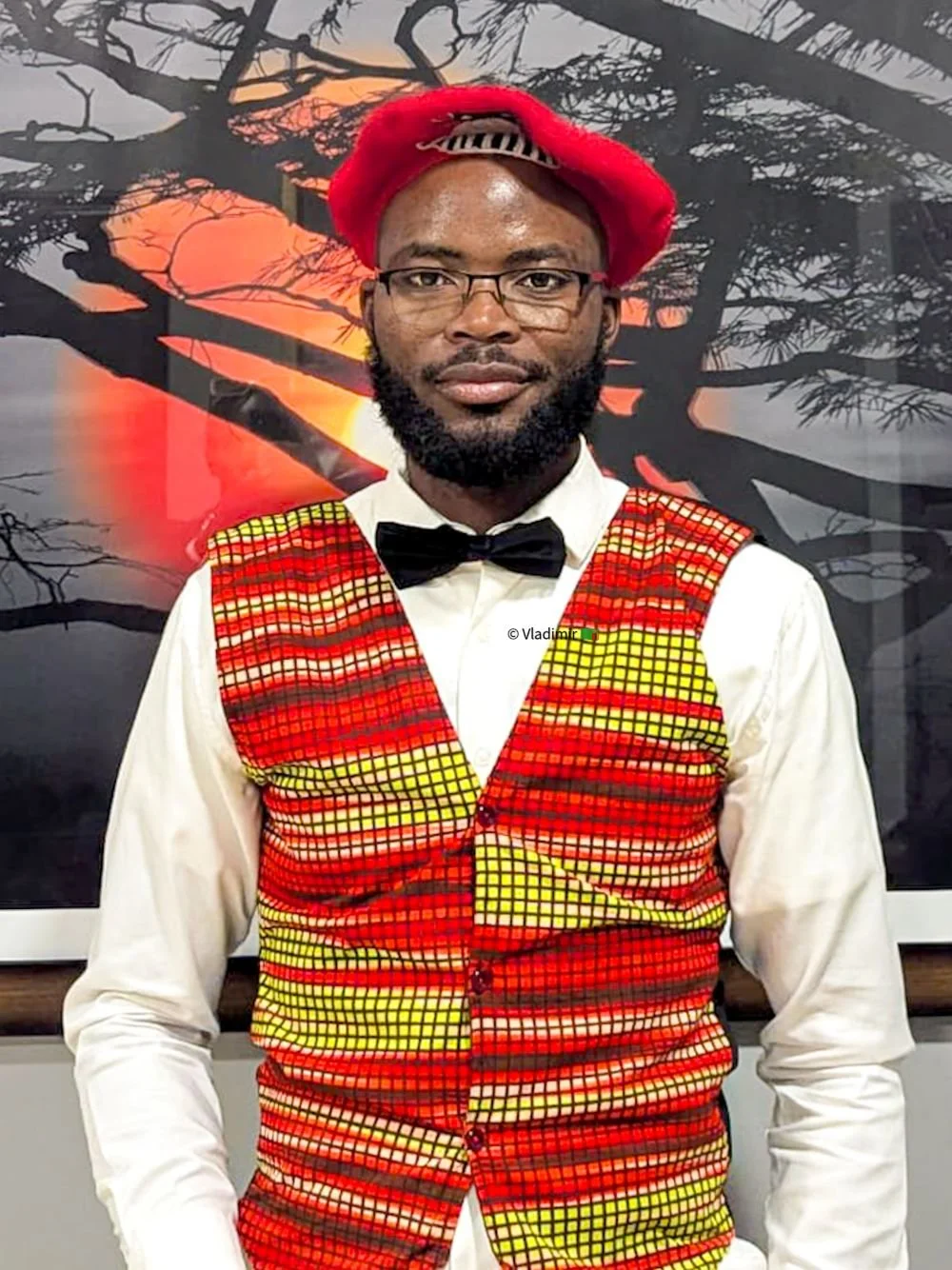
TADASHI LAKHI
ICT TRAINER
Lusaka Pathway Centre
Tadashi is a TEVETA-accredited ICT trainer, digital media and communications specialist. Before joining BTG, he drove digital skills and communication initiatives across higher education and development institutions, including the University of Zambia and the Centre for Climate Change Action & Advocacy Zambia. Tadashi is committed to ensuring young people receive the practical digital skills they need to shape their own futures.
-
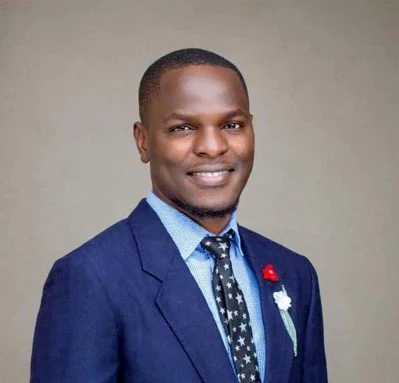
JACOB HARA
ENTREPRENEURSHIP TRAINER
Lusaka Pathway Centre
Jacob is an Economist by training from the University of Zambia. He brings with him experience from UNDP Digital and Financial Literacy Programmes in Zambia and Zimbabwe, where he empowered youth with entrepreneurship and business management skills. At the Pathway Centre, he teaches entrepreneurship and aims to empower participants to become knowledgeable, skilled and determined young women.
-
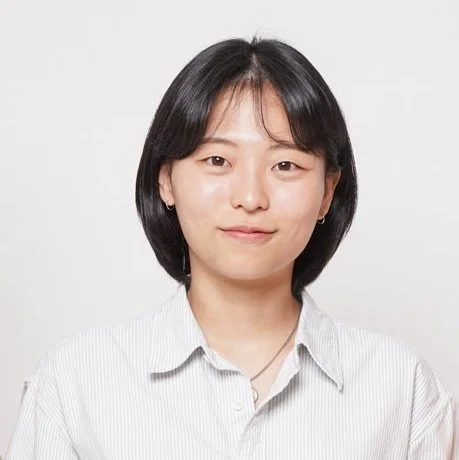
Minji kim
MEL & RESEARCH ASSOCIATE
Minji is a sociologist who brings a social researcher's lens to monitoring, evaluation, and learning (MEL). She supports BTG's partners in gathering and using evidence in ways that are ethical, practical, and grounded in lived experience. She joined BTG after completing her master's at LSE. She is passionate about research that puts girls' and young women's voices at the centre of change.
-

Dr. José Carbajo
SENIOR ADVISOR
José is an international development expert with 30+ years of experience in academia (University of London); international financial institutions (EBRD and World Bank); supra-national institutions (European Commission); and the private sector (Frontier Economics Ltd).
Read an interview with Jose’ here.
-

PAULINE KOELBL
SENIOR ADVISOR
Pauline is Founder and Managing Partner of ShEquity, a gender-smart investment firm dedicated to closing the gender funding gap in Africa and driving systemic change. Having lived across three continents (Africa, Europe and North America), Pauline is strategically well positioned to serve as a bridge between the global south and the global north.
Read an interview with Pauline here.
-
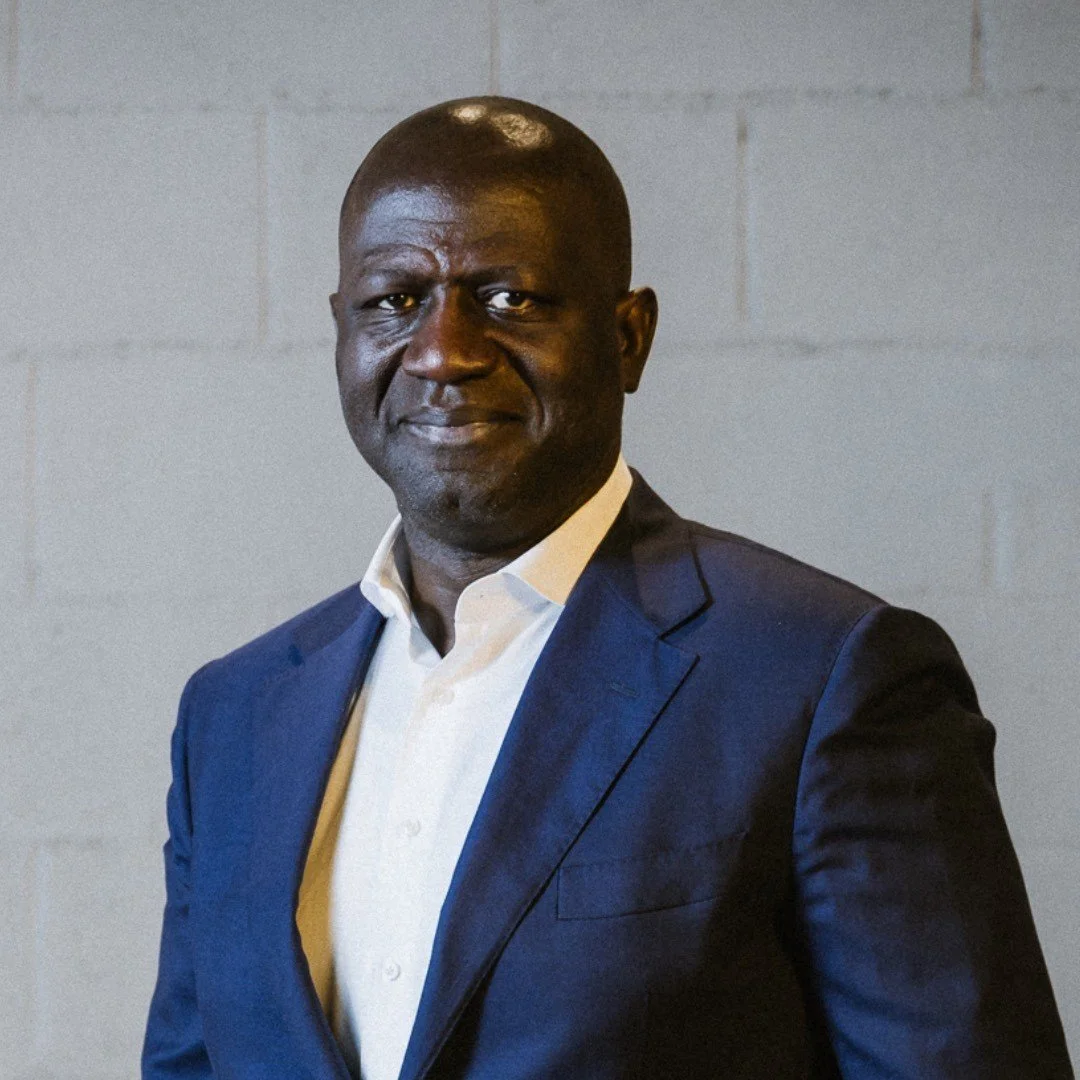
Carl Manlan
SENIOR ADVISOR
Carl Manlan is a development practitioner and thought leader driving financial inclusion and human sustainability across emerging markets. He is Chief of Partnerships and Business Development at AGRA and was previously COO of Ecobank Foundation.
Read an interview with Carl here.
-
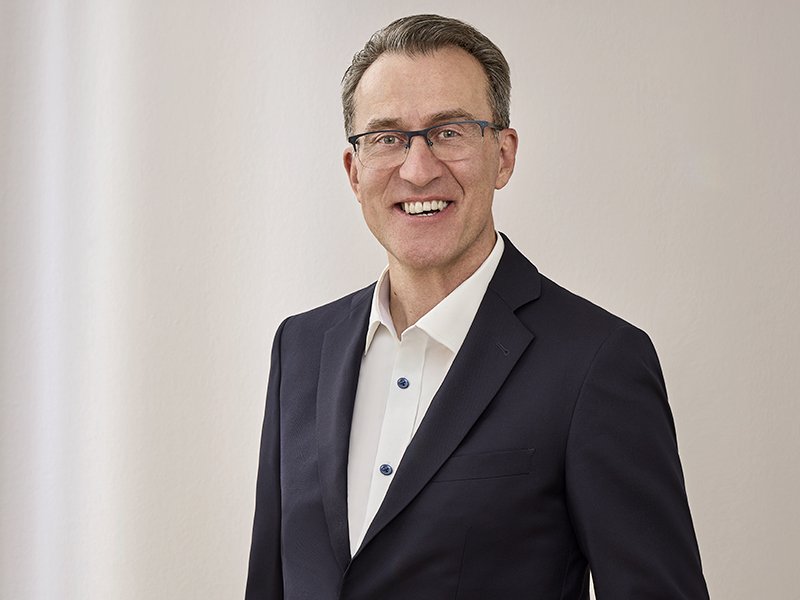
Dr. Stefan Germann
SENIOR ADVISOR
Stefan is a global development leader with more than 30 years of experience spanning public health, child protection, community development, and philanthropic leadership. He is currently CEO of the Ursimone Wietlisbach Foundation (USWF), a catalytic philanthropic foundation focused on mobilising capital, de-risking early-stage solutions, and enabling systems-level change for social impact organisations worldwide.
Read an interview with Stefan here.
Previous senior advisors
-

Henriette Kolb
SENIOR ADVISOR
Henriette leads the Sustainable Infrastructure Advisory (SIA) Group at the International Finance Corporation (IFC), a member of the World Bank Group. Previously, she led the Gender and Economic Inclusion Group at the IFC and was the CEO of the Cherie Blair Foundation for Women.
Henriette served as Senior Advisor at BTG from 2022 to 2026.
Read an interview with Henriette here.
I can complete my education
1 in 3 girls in Sub-Saharan Africa, 1 in 12 girls in the Middle East and North Africa and 1 in 14 girls in South Asia do not complete even primary school (Center for Global Development).
From the 122 million girls out of school worldwide, over half live in Sub-Saharan Africa (UNESCO).
In Least Developed Countries, 39% of women on average are illiterate, compared to 26% of men (World Bank).
I can complete my education – why it matters
Education leads to higher wages, better access to quality jobs, better health outcomes for children and increased independence for women.
-
Women with more education are more likely to work in higher quality jobs, with access to benefits such as sick and maternity leave and pensions.
For example, every additional year of primary school increases girls’ eventual wages by 10-20%.
-
Women with secondary education are more likely to report having control over personal and economic decisions .
-
A child born to a mother who can read is 50% more likely to survive past the age of 5 than a child born to an illiterate woman.
-
Educated women can better protect their health and that of their families. For example, a study in Zambia found that HIV spreads twice as fast among uneducated girls.
In developing countries, increased mother’s education leads to increased vaccination rates for their children.
-
Educated girls have fewer, healthier and better educated children. For each additional year of a mother’s education, the average child attains an extra 0.32 years, and for girls the benefit is slightly larger.
I can achieve economic independence
The global labour force participation rate for women is just over 50% compared to 80% for men. In the Middle East and North Africa, less than 19% of women participate in the labour force (World Bank).
104 countries restrict the kind of jobs women can have, and 18 countries require a husband’s permission for a woman to work outside the home (CFR).
Worldwide, women only make 77 cents for every dollar earned by men. This gap is larger for women with children (U.N. Women).
The difference in expected lifetime earnings between women and men amounted to $172.3 trillion globally even before the coronavirus pandemic—twice the size of the world’s annual GDP (World Bank).
12 countries (including a developed one such as the U.S.) do not have legally mandated paid maternity leave, and 75 countries do not guarantee mothers an equivalent position after taking maternity leave (CFR).
I can achieve economic independence – why it matters
Economic independence for women can break the poverty cycle, bring increased prosperity to communities, accelerate investments into the next generation and increase life satisfaction and sense of agency for women, among other positive effects.
-
Higher female labour force participation increases women’s earnings, reducing poverty and increasing living standards in their families and communities.
-
Women who earn are willing to reinvest up to 90% of their earnings into their families, compared to 30-40% for men
-
In a scenario in which women play an identical role in labor markets to that of men, as much as $28 trillion, or 26 percent, could be added to global annual GDP by 2025.
-
Women who have access to their own sources of income report higher life satisfaction and increased sense of agency. They are also freer to escape dangerous situations such as violent relationships.
I dream beyond traditional roles for women and can fully participate in all areas of society
As of May 2024, there are only 28 countries where women serve as Heads of State and/or Government (UN Women).
Only 27.0% of parliamentarians are women (IPU).
Women represent 22.8% of Cabinet members heading Ministries, leading a policy area (UN Women).
Women CEOs run 10.4% of Fortune 500 companies. A quarter of the 52 leaders became CEO in the last year (Fortune).
Women hold only 23.3% of the world’s board seats (Deloitte).
Although women earn 50% of bachelor’s degrees in science and engineering, they constitute only 35% of the STEM workforce (NCGP).
I dream beyond traditional roles for women – why it matters
Women’s representation in all areas of the economy and of society, particularly in positions of power and responsibility, can bring positive change for everyone.
-
Research has proven that countries with more women in power enjoy higher peace and stability.
-
Often, women in power can tackle issues affecting women and also holding back development.
In India, a study found that the introduction of quotas for women in parliament resulted in a 9-12% decline in maternal mortality
-
Research has shown that firms with more women in senior positions tend to be more profitable, more socially responsible, and provide safer, higher-quality customer experiences
IMPORTANT: The list of issues presented on this page is not intended to be an exhaustive account of all problems faces by women worldwide, but rather a snapshot the main ones identified by research. Similarly, the references and weblinks provided under each issue are just a sample of existing resources on these topics.
I choose who and when to marry
In 2021, there were an estimated 22 million people in forced marriages. 2/3 were women and girls (ILO).
Each year, 12 million girls are married before the age of 18. That is 23 girls every minute, nearly 1 girl every 2 seconds (HRC).
In the least developed countries, 40% of girls are married before age 18, and 12% of girls are married before age 15 (OHCHR).
I choose who and when to marry – why it matters
Child and forced marriage are internationally recognised as human rights violations. Both lead to increased chances of gender-based violence, unwanted pregnancies, earlier drop-out from education and lower employment and earnings, as well as to enormous human suffering for the victims.
-
Forced marriages most often imply sexual exploitation and forced labour in disguise of “marriage”. Women represent 55% of victims of forced labour and 98% of victims of sexual exploitation worldwide.
-
People in forced marriages experience higher rates of emotional and physical violence.
-
Victims of forced marriage tend to drop out of school early, stay out of the labour force and remain economically dependent their entire life.
Child brides have worse economic and health outcomes than their unmarried peers, which are eventually passed down to their children, further straining a country’s capacity to provide quality health and education.
I have equal access to the assets i need for a dignified livelihood
Just under 850 million people around the world do not have an official ID. Women are 8% less likely to have one than men. This leads to obstacles in opening a bank account, getting insurance and receiving government benefits, among other essential services (ID4D).
Over 70 percent of women do not own any land (World Bank). As of June 2023 less than one in five landholders worldwide are women (UN).
75 countries restrict women property rights (such as how they can inherit) (CFR).
In Sub-Saharan Africa, women are still 12% less likely than men to own a bank account or a mobile phone (World Bank).
In 2022, 62% of men in the world had internet access, compared to 57% of women. Only 19% of women in less developed countries use the internet (ITU).
I have equal access to the assets i need for a dignified livelihood – why it matters
Equal legal rights and access to productive assets, technology, financial and insurance products allow women to increase and protect their earnings and improve their livelihoods, benefitting their families and communities.
-
Women who have access to their own bank accounts, pensions, insurance and other financial instruments enjoy higher financial security and lower risk of poverty throughout their lives.
-
In developing economies, women are 20% less likely than men to have an account at a formal financial institution and 17% less likely to have borrowed formally in the past year. Obstacles to access financing, such as gender unequal legal requirements and social norms, mean humanity is missing out on the potential of women entrepreneurs.
-
Women who lack I.D., or face higher barriers than men in accessing personal identification, are at higher risk of being bypassed by government benefits, even when they are the ones who need them the most.
-
In more than 30 countries women and girls do not have the same rights to own or inherit land as men and boys.
A growing body of empirical research finds that strengthening women’s land and property rights can increase returns of women’s labor, increase their control over and ability to benefit from family assets, and increases women’s voice and agency. Together, these shifts in women’s position within the household can create a profound ripple effect on income, food security, land stewardship, and children’s welfare.
I choose how many children to have and when
Complications during pregnancy and childbirth are the leading cause of death for 15–19-year-old girls globally (WHO).
Nearly half of all pregnancies, 121 million each year around the world, are unintended (UNFPA).
Over 60% of unintended pregnancies end in abortion and an estimated 45% of all abortions are unsafe, causing 5 – 13% of all maternal deaths (UNFPA).
In 111 countries, there is no law explicitly criminalising marital rape (CFR).
Every year, 21 million girls aged 15-19 years in developing regions become pregnant and 12 million of them give birth (WHO).
I choose how many children to have and when – why it matters
Choosing whether and when to have children is the most fundamental expression of bodily autonomy. When women are empowered to decide for themselves, they can make choices that prevent poverty and health risks for themselves and their babies.
-
Unwanted pregnancies lead to higher poverty rates, and vice versa.
-
Children of adolescent mothers experience higher mortality rates.
-
17% of births worldwide are still not attended by qualified health staff. In Sub-Saharan Africa, the percentage is 37%.
-
Family planning increases female labour force participation, earnings and economic independence.
I am safe from gender-based violence
1 in 3 women experiences some form of violence in their lifetime (WHO).
More than 133 women or girls are killed by someone in their own family every day. In 2022, 40,98% of femicides worldwide were committed in Africa (UN Women).
In 45 countries, domestic violence is not legally prohibited (CFR).
Over 230 million girls and women worldwide have undergone female genital mutilation. More than 144 million of them took place in Africa (UNICEF).
I am safe from gender-based violence – why it matters
Gender-Based Violence (GBV) has enormous costs not only on victims but on entire societies.
-
The cost of gender-based violence, due to direct health, counselling, justice and welfare costs, as well as indirect costs, such as lost wages, productivity and potential, has been estimated by the U.N. to be US$ 1.5 trillion, roughly the size of the entire Australian economy in 2020.
-
Beyond the physical and mental consequences of GBV, its negative impact on women’s participation in education, employment and civic life undermines poverty reduction and development.
-
Mental health impacts for survivors of GBV include Post Traumatic Stress Disorder (PTSD), depression, anxiety, substance misuse, self-harm and suicidal behaviour, and sleep disturbances. In addition, a survivor of GBV may also face stigma and rejection from their community and family.
-
Societies that normalize violence and oppression between men and women—the two halves of humanity - whether in households or communities— tend to experience more violence and conflict both within their borders and internationally.
Research shows that the security of women and the security of the nation-state are integrally linked.
I share unpaid care work equally with my partner and family
Globally women spend around 18% of their day doing unpaid care and domestic work. That is 12% more than men (UN Women).
On average, girls aged 5-14 spend 550 million hours on household chores, 160 million more than boys the same age (UNICEF).
Women in Asia and the Pacific do four times more unpaid care work than men, while South Asian women do nine times more (ILO).
I share unpaid care work equally with my partner and family – why it matters
The global value of unpaid work by women, taking 12.5 billion hours female work a day, was estimated to be >USD 10.8 trillion in 2019. There is not one country in the world, where data are available, where unpaid care work is shared equally between men and women.
-
When women can share unpaid care work more equally, they have more time to invest in education or paid work, leading to better livelihoods for themselves and their families.
A decrease in women’s unpaid care work is related to a 10 percentage point increase in women’s labour force participation rate.
-
Data reveals a negative correlation between income and levels of gender inequality in unpaid care work: countries with a more equal distribution of responsibilities tend to be higher-income.
-
Countries where women perform a high share of unpaid care work compared to men have a higher share of women in part-time and vulnerable jobs. Unpaid care activities are a time and energy-consuming occupation that often relegates women to part-time, low-income and insecure employment.
-
Worldwide, men still own 50% more wealth than women and predominate in positions of political and economic power. The unequal sharing of care responsibility is a key factor limiting women from fulfilling their potential.
Follow us on social Media